
Preventive healthcare is rapidly becoming one of the most important pillars of modern medicine. Traditionally, healthcare systems have focused on treating illnesses after they occur. However, with the increasing burden of chronic diseases, rising healthcare costs, and advancements in medical technology, the emphasis is shifting toward preventing diseases before they develop.
From regular health screenings and vaccinations to wearable devices, artificial intelligence (AI), and personalized medicine, preventive healthcare is transforming how individuals manage their health. It not only improves quality of life but also reduces the long-term burden on healthcare systems worldwide.
What is Preventive Healthcare?
Preventive healthcare refers to medical practices and lifestyle interventions designed to prevent diseases rather than treat them after they occur.
Its primary objective is to detect health risks early and encourage healthy habits that reduce the likelihood of illness.
Preventive healthcare includes:
- Regular medical check-ups
- Vaccination programs
- Health screenings
- Healthy nutrition
- Physical activity
- Mental health management
- Smoking cessation
- Preventive medications for high-risk individuals
By focusing on prevention, healthcare providers can identify diseases in their earliest stages when treatment is often simpler, less expensive, and more effective.

Why Preventive Healthcare Matters
Healthcare systems across the globe are facing increasing pressure due to the rising prevalence of chronic diseases such as diabetes, cardiovascular disease, obesity, hypertension, and cancer.
Many of these conditions develop gradually over several years and can often be prevented through lifestyle modifications and early intervention.
Preventive healthcare helps:
- Reduce disease burden
- Improve life expectancy
- Lower hospitalization rates
- Reduce healthcare costs
- Enhance quality of life
- Promote healthy ageing
According to global health experts, investing in prevention generates long-term economic and public health benefits.
The Four Levels of Prevention
Healthcare professionals generally classify preventive care into four categories.
1. Primary Prevention
Primary prevention aims to stop diseases before they occur.
Examples include:
- Vaccination
- Healthy eating
- Exercise
- Smoking cessation
- Maintaining healthy body weight
- Workplace wellness programs
2. Secondary Prevention
Secondary prevention focuses on early detection.
Examples include:
- Mammography
- Blood pressure monitoring
- Blood sugar testing
- Colon cancer screening
- Cervical cancer screening
- Cholesterol testing
Early diagnosis significantly improves treatment outcomes.
3. Tertiary Prevention
This stage seeks to minimize complications after a disease has developed.
Examples include:
- Cardiac rehabilitation
- Diabetes management
- Stroke rehabilitation
- Physical therapy
4. Quaternary Prevention
Quaternary prevention aims to avoid unnecessary medical interventions and over-treatment.
It promotes evidence-based medicine while protecting patients from avoidable harm.
Technology Driving Preventive Healthcare
Technology has become one of the biggest enablers of preventive medicine.
Artificial Intelligence
AI assists healthcare providers by:
- Predicting disease risks
- Identifying abnormal imaging
- Supporting early diagnosis
- Personalizing treatment plans
Machine learning algorithms can analyze enormous amounts of patient data far more quickly than traditional methods.
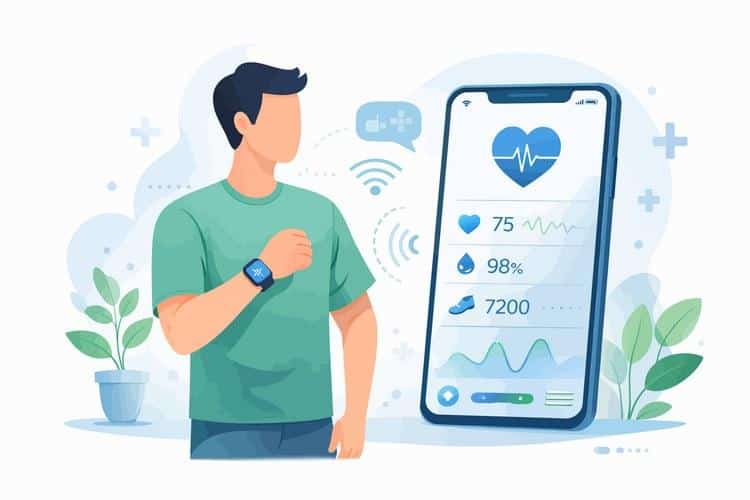
Wearable Devices
Smart healthcare devices continuously monitor health indicators.
Popular devices track:
- Heart rate
- Blood oxygen
- Sleep quality
- Physical activity
- ECG
- Stress levels
Continuous monitoring enables individuals to detect health issues before symptoms appear.
Telemedicine
Virtual consultations improve access to healthcare, especially for:
- Rural populations
- Elderly patients
- Patients with mobility challenges
Telemedicine encourages regular follow-up and better chronic disease management.
Digital Health Apps
Healthcare applications help users:
- Schedule medications
- Monitor blood pressure
- Track nutrition
- Record exercise
- Manage diabetes
Digital engagement improves adherence to healthy lifestyles.
Personalized Preventive Healthcare
Healthcare is moving away from a “one-size-fits-all” approach.
Personalized healthcare considers:
- Genetics
- Family history
- Lifestyle
- Environment
- Existing medical conditions
This allows physicians to develop individualized prevention strategies.
Examples include:
- Genetic cancer screening
- Precision nutrition
- Personalized exercise programs
- Risk-based screening schedules
Prevention in Chronic Diseases
Cardiovascular Disease
Lifestyle modifications remain the most effective preventive measures.
Important strategies include:
- Healthy diet
- Regular exercise
- Blood pressure control
- Cholesterol management
- Smoking cessation
Diabetes
Type 2 diabetes can often be delayed or prevented through:
- Weight management
- Physical activity
- Healthy nutrition
- Routine glucose monitoring
Cancer
Early screening dramatically improves survival.
Recommended screenings include:
- Breast cancer
- Cervical cancer
- Colorectal cancer
- Prostate cancer (where appropriate)
Vaccinations, such as HPV vaccination, also help prevent certain cancers.
Mental Health
Preventive healthcare increasingly recognizes mental well-being as essential.
Preventive strategies include:
- Stress management
- Sleep hygiene
- Counselling
- Mindfulness
- Social support
Early intervention reduces the severity of mental health disorders.
Preventive Healthcare in the Workplace
Organizations increasingly invest in employee wellness.
Common initiatives include:
- Annual health check-ups
- Mental wellness programs
- Ergonomic workstations
- Fitness incentives
- Smoking cessation support
Healthy employees generally experience:
- Lower absenteeism
- Higher productivity
- Improved morale
- Reduced healthcare expenses
Challenges to Preventive Healthcare
Despite its benefits, preventive healthcare faces several barriers.
Limited Awareness
Many individuals seek healthcare only after symptoms develop.
Public education remains essential.
Healthcare Access
Access to preventive services varies depending on geography and socioeconomic conditions.
Improving healthcare infrastructure can help bridge these gaps.
Lifestyle Habits
Modern lifestyles characterized by poor diet, physical inactivity, smoking, and chronic stress contribute significantly to preventable diseases.
Encouraging healthier habits remains an ongoing challenge.
Cost Perception
Some individuals avoid preventive screenings because of perceived costs, even though prevention is often less expensive than treating advanced disease.
The Future of Preventive Healthcare
The next decade will likely bring major advances.
Artificial Intelligence
AI will increasingly identify disease risks before symptoms appear.
Continuous Remote Monitoring
Wearable technologies will enable real-time health tracking and early intervention.
Precision Medicine
Treatment and prevention strategies will become more personalized based on genetics and lifestyle.
Predictive Analytics
Healthcare providers will use data to identify high-risk patients and intervene proactively.
Home-Based Diagnostics
Portable diagnostic devices will allow more health monitoring from home, reducing unnecessary hospital visits.
Integrated Digital Health
Electronic health records, telemedicine, mobile apps, and wearable devices will work together to provide comprehensive preventive care.
Conclusion
Preventive healthcare represents a fundamental shift from treating illness to promoting lifelong wellness. Through regular screenings, healthy lifestyle choices, digital health technologies, artificial intelligence, and personalized medicine, individuals can take a more proactive role in managing their health.
As healthcare systems worldwide continue to embrace prevention, patients, providers, governments, and the healthcare industry all stand to benefit. Reduced disease burden, lower healthcare costs, improved quality of life, and longer, healthier lives make preventive healthcare one of the most promising directions for the future of medicine.
For healthcare professionals, pharmaceutical companies, medical device manufacturers, and policymakers, investing in prevention is no longer an option—it is a necessity. The future of healthcare will not simply be about curing diseases; it will be about preventing them before they begin.