
The Indian pharmaceutical industry, widely recognized as the “pharmacy of the world,” is undergoing a profound digital transformation. As global healthcare demands evolve, Indian pharma companies are increasingly embracing digital technologies to enhance efficiency, improve quality, and remain competitive in international markets. Digitalization today is not just about adopting new tools—it is about reimagining the entire pharmaceutical value chain.
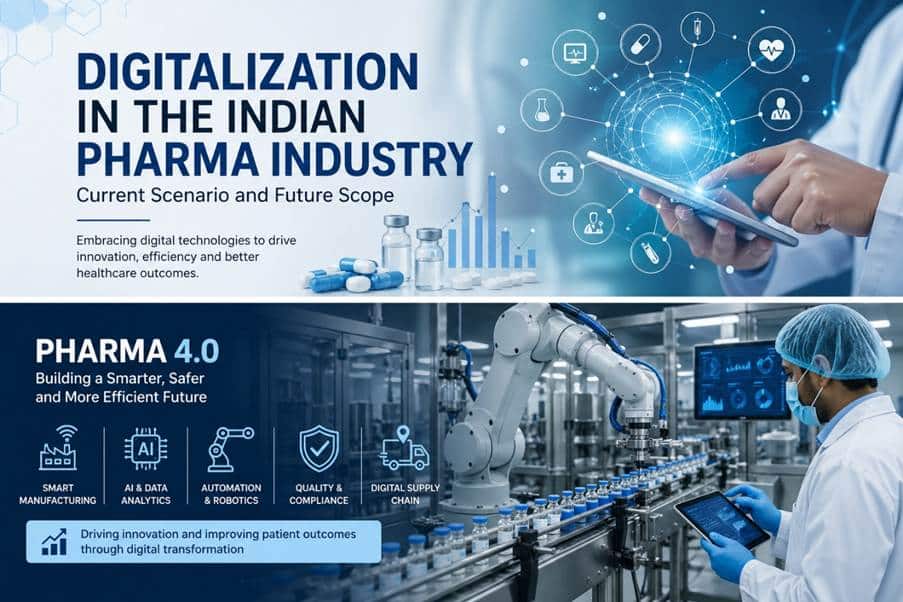
Current Scenario of Digitalization in Indian Pharma
Digital adoption in the Indian pharma sector has accelerated significantly in recent years. From research laboratories to manufacturing plants and marketing departments, companies are integrating digital technologies across all functions.
1. Integration Across the Value Chain
Pharma companies in India are implementing digital systems across:
- Research and development
- Clinical trials
- Manufacturing and quality control
- Supply chain management
- Sales and marketing
This integration reduces inefficiencies, improves coordination, and ensures faster decision-making.
2. Rise of Pharma 4.0
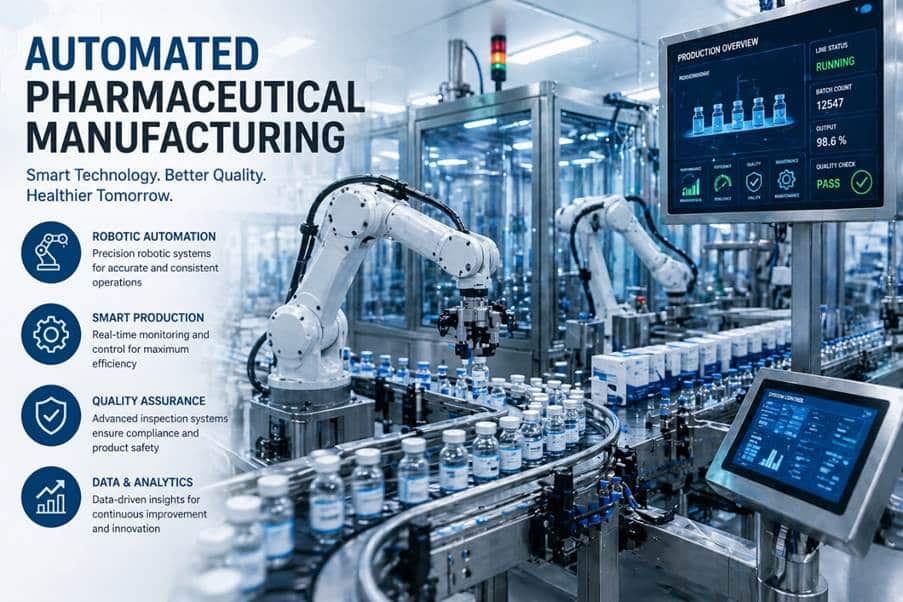
One of the most important developments is the adoption of Pharma 4.0, which applies Industry 4.0 technologies like Artificial Intelligence (AI), Internet of Things (IoT), robotics, and big data analytics to pharmaceutical processes.
These technologies are enabling:
- Smart factories with interconnected systems
- Real-time monitoring of production
- Predictive maintenance
- Data-driven decision-making
This shift is making Indian pharma more efficient and globally competitive.
3. AI and Data Analytics in Drug Development
Artificial Intelligence is transforming drug discovery by:
- Analyzing massive datasets
- Predicting drug interactions
- Accelerating molecule identification
This reduces both cost and time required to bring new drugs to market, making innovation faster and more effective.
4. Smart Manufacturing and Automation
Automation is playing a critical role in improving production quality and efficiency. IoT-enabled devices allow:
- Continuous monitoring of manufacturing conditions
- Real-time quality control
- Reduced human error
This ensures compliance with strict global regulatory standards and improves reliability in drug production.
5. Digital Marketing and Customer Engagement
Digitalization has also transformed how pharma companies communicate with healthcare professionals and patients.
Key developments include:
- Virtual doctor consultations
- Online webinars and medical education
- Social media engagement
- Data-driven marketing campaigns
This shift has made pharma marketing more targeted, measurable, and personalized.
Benefits of Digitalization in Indian Pharma
Digital transformation is delivering significant advantages:
1. Improved Efficiency
Automation reduces manual processes and speeds up operations.
2. Enhanced Quality and Compliance
Real-time monitoring ensures adherence to strict regulatory standards.
3. Faster Time-to-Market
AI and digital tools accelerate drug discovery and approvals.
4. Cost Optimization
Efficient processes help reduce operational expenses.
5. Better Patient Outcomes
Digital tools enable personalized treatments and continuous monitoring.
Challenges in Digital Transformation
Despite progress, certain challenges remain:
1. Data Privacy and Security
Protecting sensitive patient and company data is critical.
2. High Implementation Costs
Digital transformation requires investment in infrastructure and training.
3. Legacy Systems
Older systems are difficult to integrate with modern technologies.
4. Skill Gaps
There is a shortage of professionals with digital and pharma expertise.
Future Scope of Digitalization in Indian Pharma
The future of digitalization in Indian pharma is highly promising and will be driven by continuous innovation.
1. Expansion of AI and Machine Learning
AI will play a larger role in drug discovery, predictive healthcare, and clinical trials.
2. Growth of Smart Factories
Fully automated manufacturing units will improve efficiency and reduce risks.
3. Integration with Digital Health Ecosystems
Pharma companies will collaborate with:
- Telemedicine platforms
- E-pharmacies
- Wearable devices
This will create a connected healthcare system.
4. Personalized Medicine
Treatments will be tailored based on patient data, improving effectiveness.
5. Increased Global Competitiveness
Indian pharma companies will move toward innovation-led growth.
6. Predictive and Preventive Healthcare
The focus will shift from treatment to early diagnosis and prevention.
Strategic Importance for Pharma Companies
Digitalization is now a strategic necessity. Companies that adopt digital transformation will:
- Gain competitive advantage
- Improve efficiency
- Enhance patient care
Those that fail to adapt risk falling behind in a rapidly evolving industry.
Conclusion
The Indian pharmaceutical industry is at a turning point. Digitalization is transforming every aspect of the sector—from research and manufacturing to marketing and patient engagement.
While challenges such as cybersecurity and cost remain, the benefits far outweigh the risks. The future of Indian pharma lies in embracing technology, leveraging data, and driving innovation.
For platforms like BrandPharma.in, this transformation presents a powerful opportunity to stay ahead, deliver value, and become a key player in the digital healthcare ecosystem.