
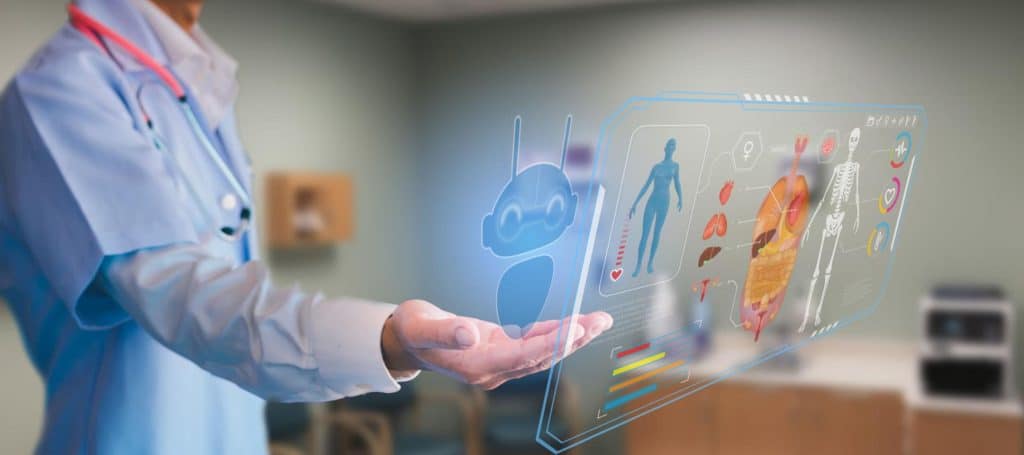
Healthcare innovation is reshaping the global medical landscape at an unprecedented pace. From artificial intelligence and wearable technology to telemedicine and robotic surgery, innovation is improving patient outcomes, streamlining healthcare delivery, and making medical services more accessible than ever before. As healthcare systems across the world face growing challenges such as rising costs, aging populations, and increasing chronic diseases, innovation has become essential for building a more efficient and patient-centric future.
The Growing Importance of Healthcare Innovation
The healthcare industry is evolving rapidly due to technological advancements and changing patient expectations. Traditional healthcare systems often struggle with issues such as long waiting times, limited accessibility, and high operational costs. Healthcare innovation aims to solve these problems through smarter technologies and improved healthcare models.
Innovative healthcare solutions help:
- Improve diagnosis accuracy
- Enhance patient engagement
- Reduce healthcare costs
- Increase operational efficiency
- Enable remote healthcare services
- Support preventive care
Today, healthcare innovation is not just about introducing new technology; it is about transforming the entire patient experience.
Artificial Intelligence in Healthcare
Artificial intelligence (AI) is one of the most influential innovations in healthcare today. AI-powered systems are capable of analyzing large amounts of medical data quickly and accurately, helping doctors make better clinical decisions.
Applications of AI in Healthcare
1. Disease Diagnosis
AI algorithms can detect diseases such as cancer, diabetes, and cardiovascular conditions at early stages through medical imaging and data analysis.
2. Predictive Analytics
Hospitals use AI to predict patient risks, readmission probabilities, and treatment outcomes.
3. Drug Discovery
Pharmaceutical companies are using AI to accelerate drug research and development processes, significantly reducing the time required to discover new medicines.
4. Virtual Health Assistants
AI-powered chatbots and virtual assistants help patients schedule appointments, monitor symptoms, and receive health information.
Telemedicine and Remote Healthcare
Telemedicine has emerged as one of the most impactful healthcare innovations, especially after the COVID-19 pandemic. It enables patients to consult doctors remotely using digital communication tools.
Benefits of Telemedicine
- Convenient access to healthcare
- Reduced travel time and costs
- Faster medical consultations
- Better healthcare access in rural areas
- Improved chronic disease management
Remote healthcare technologies also include wearable devices that monitor vital signs such as heart rate, blood pressure, oxygen levels, and sleep patterns.
Patients can now receive continuous healthcare monitoring from the comfort of their homes, improving both convenience and treatment adherence.
Wearable Healthcare Technology
Wearable healthcare devices are becoming increasingly popular among patients and healthcare providers. Smartwatches, fitness trackers, and biosensors help individuals monitor their health in real time.
Popular Wearable Technologies
- Smart health watches
- Continuous glucose monitors
- Fitness trackers
- ECG monitoring devices
- Smart inhalers
These devices promote preventive healthcare by encouraging users to track their physical activity, sleep quality, and overall wellness.
Robotics and Automation in Healthcare
Robotics is playing a significant role in modern healthcare innovation. Robotic systems are now assisting in surgeries, rehabilitation, and hospital management.
Robotic Surgery
Robot-assisted surgeries provide:
- Higher precision
- Smaller incisions
- Faster recovery
- Reduced complications
Surgeons can perform complex procedures with enhanced accuracy using robotic systems.
Hospital Automation
Automation technologies are improving operational efficiency by managing:
- Patient records
- Medicine dispensing
- Laboratory processes
- Appointment scheduling
Healthcare automation reduces administrative burden and allows medical professionals to focus more on patient care.
Personalized Medicine and Genomics
Personalized medicine is transforming how diseases are treated. Instead of applying the same treatment to every patient, healthcare providers can now customize therapies based on an individual’s genetic profile.
Benefits of Personalized Medicine
- More effective treatments
- Reduced side effects
- Faster recovery
- Better disease prevention
Advancements in genomics and genetic testing are helping doctors identify disease risks and create targeted treatment plans.
This innovation is especially important in cancer treatment, where precision medicine is improving survival rates and treatment effectiveness.
Digital Health Records and Data Integration
Electronic Health Records (EHRs) have replaced traditional paper-based systems in many healthcare organizations. Digital records improve data accessibility and coordination between healthcare providers.
Advantages of EHR Systems
- Faster access to patient data
- Improved diagnosis accuracy
- Better communication among healthcare professionals
- Reduced paperwork
- Enhanced patient safety
Cloud-based healthcare systems also allow secure storage and sharing of medical data across hospitals and clinics.
3D Printing in Healthcare
3D printing technology is creating exciting possibilities in healthcare innovation. Medical professionals can now produce customized prosthetics, implants, and surgical tools.
Uses of 3D Printing
- Artificial limbs
- Dental implants
- Organ models for surgery planning
- Customized medical devices
Researchers are even exploring the possibility of bioprinting human tissues and organs in the future.
This technology has the potential to revolutionize personalized healthcare and surgical planning.
Challenges in Healthcare Innovation
Despite its benefits, healthcare innovation also faces several challenges.
1. Data Privacy and Security
Healthcare systems store highly sensitive patient information. Protecting medical data from cyber threats remains a major concern.
2. High Implementation Costs
Advanced healthcare technologies often require significant investment, making adoption difficult for smaller healthcare facilities.
3. Regulatory Compliance
Healthcare innovations must comply with strict medical regulations and safety standards.
4. Technology Integration
Integrating new technologies into existing healthcare systems can be complex and time-consuming.
Healthcare organizations must carefully balance innovation with patient safety, ethics, and regulatory requirements.
The Future of Healthcare Innovation
The future of healthcare innovation looks highly promising. Emerging technologies such as machine learning, blockchain, nanotechnology, and augmented reality are expected to further transform the industry.
Future Trends Include:
- AI-powered virtual hospitals
- Smart healthcare ecosystems
- Advanced robotic surgeries
- Predictive healthcare analytics
- Personalized treatment using genetic data
- Blockchain-secured patient records
Healthcare innovation will continue to improve accessibility, affordability, and quality of medical care worldwide.
Conclusion
Healthcare innovation is redefining modern medicine and creating new opportunities for improving patient care. Technologies such as artificial intelligence, telemedicine, wearable devices, robotics, and personalized medicine are transforming how healthcare services are delivered.
As the healthcare industry continues to evolve, innovation will remain essential for addressing global healthcare challenges and enhancing patient outcomes. Organizations that embrace digital transformation and emerging medical technologies will be better positioned to deliver efficient, accessible, and patient-centered healthcare solutions.
The future of healthcare is increasingly connected, intelligent, and personalized — driven by continuous innovation and technological advancement.